Beginner’s Guide to Kratom: Origins, Effects, Uses & Safety
As kratom becomes a widely discussed topic, the need for balanced science-backed and user reported information becomes a cornerstone for those who find value in understanding. This beginner’s guide to kratom explores where it comes from, how it’s traditionally used, what modern consumers report experiencing, and why safety conversations matter just as much as curiosity.
Table of Contents
- What Is Kratom?
- FAQs
- Origins and Traditional Use
- Understanding Kratom Alkaloids
- What Does Kratom Feel Like?
- Types of Kratom Products
- Beginner Safety Considerations
- Kratom Legality in the United States
- Kratom vs Other Wellness Alternatives
- Buyer Tips for New Consumers
- Bottom Line
- Summary of What We Covered
- References
- Disclaimer
What Is Kratom?
Kratom comes from Mitragyna speciosa, a tropical evergreen tree related to the coffee family and native to Southeast Asia. Traditionally, its leaves were used in regions such as Thailand, Indonesia, and Malaysia for cultural, recreational, and practical purposes.²
The plant contains naturally occurring alkaloids, primarily mitragynine and 7-hydroxymitragynine, which researchers have found interact with receptors in the brain and nervous system with nuanced similarities depending on serving size and product format.¹
Plain English version: kratom is a plant with compounds that may feel stimulating or relaxing depending on the product format and how it’s used.
FAQs
What form of kratom is best for beginners?
Many beginners prefer capsules due to convenience and serving consistency, while others explore powders for flexibility. We recommend starting slow and low with dose, then take a moment to check in with how you feel.
Why does third-party testing matter?
Third party lab testing helps to verify purity, alkaloid levels, and contaminant screening. This is especially important in botanical categories with unclear manufacturing standards.
Is kratom addictive?
Some research and consumer reports suggest kratom may carry dependency risks, particularly with frequent or heavy use. Individual response and consumption patterns vary considerably.² ⁴
Origins and Traditional Use
Long before modern wellness stores existed, kratom leaves were chewed, brewed into tea, or used in local rituals throughout Southeast Asia. In many communities, the plant carried cultural significance beyond simple consumption.
Modern interest has shifted toward powders, capsules, extracts, gummies, and beverages. That evolution has made beginner’s guide to kratom searches increasingly common among first-time consumers trying to understand the category without falling into hype.
Understanding Kratom Alkaloids
The two most discussed alkaloids are mitragynine and 7-hydroxymitragynine. Researchers continue studying how they interact with opioid receptors and other neurological systems.¹
Some consumers describe lower-serving experiences as more energizing, while higher-serving experiences are often described as heavier or more calming. Individual response, body chemistry, product quality, and concentration may all influence effects.
This is one reason third-party testing matters so much in the kratom category.
What Does Kratom Feel Like?
Reported experiences vary significantly. Commonly discussed effects include ⁴:
Increased alertness
Relaxation
Mood elevation
Physical calm
Enhanced sociability
Mild sedation at higher servings
That variability is important to understand in any beginner’s guide to kratom discussion because product concentration and serving size differ widely between brands and formats.
Types of Kratom Products
Powder
Traditional powder remains one of the most recognized forms. It offers flexibility but has a famously earthy taste that some people compare to “green tea mixed with forest floor.” Not exactly a candle scent people request often.
Capsules
Capsules simplify portability and serving consistency. They may appeal to consumers who prefer convenience or want to avoid preparing powder manually.
Krave Kratom Capsules Maeng Da
$11.65
Krave Kratom Capsules Maeng Da Experience one of the most popular and well-loved kratom strains with Krave Kratom Maeng Da Capsules. Known for its bold… read more

Extracts and Shots
Concentrated liquid shots and extracts are increasingly popular due to convenience and stronger concentration. However, concentration levels may vary substantially between products, making label transparency especially important.
Gummies and Beverages
Newer formats such as gummies and seltzers continue expanding accessibility for adult consumers interested in alternative wellness routines or alcohol-free social experiences.
Beginner Safety Considerations
A balanced beginner’s guide to kratom should discuss safety just as openly as effects.
Research surrounding kratom is still evolving, and no kratom products are approved by the U.S. Food and Drug Administration for medical use.¹ Some reports have linked heavy or irresponsible use to adverse effects including nausea, dizziness, dependency concerns, and liver-related complications.² ⁴
Responsible-use considerations often include:
Starting conservatively
Avoiding mixing with alcohol
Avoiding combining with medications or concentrated substances
Prioritizing transparent lab testing
Reviewing ingredient labels carefully
Plain English version: quality and moderation matter more than flashy packaging or exaggerated marketing claims.
Kratom Legality in the United States
Kratom remains federally legal in much of the United States, though regulations vary by state and municipality. Some areas restrict or prohibit sales entirely, while others regulate labeling and age requirements.¹
Because policies continue evolving, checking local regulations before purchasing is generally wise.²
Kratom vs Other Wellness Alternatives
Kratom vs Kava
Kava is typically associated more with relaxation-forward social rituals and calming experiences, while kratom discussions often involve a wider range of effects depending on serving size and alkaloid profile. Read more about kava related topics here.
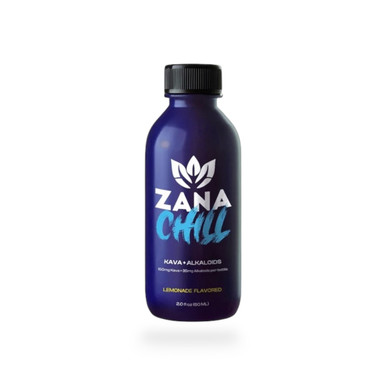
Zana Chill Kava + Alkaloids Lemonade 60ml
$7.99
Zana Chill Kava + Alkaloids Lemonade 60ml Zana Chill Kava + Alkaloids Lemonade 60ml is a refreshing, all-natural beverage designed to provide a calming and… read more
Out of Stock
Kratom vs CBD
CBD is often positioned around broad wellness routines and may feel subtler for some consumers compared with concentrated kratom products.
Kratom vs Ashwagandha
Ashwagandha is commonly framed as a long-term adaptogen-focused supplement rather than an immediately noticeable experiential product.
Kratom vs Valerian Root
Valerian root is generally associated more heavily with nighttime routines and sleep-focused use rather than daytime functionality.
This beginner’s guide to kratom highlights these comparisons because many consumers enter the category while exploring alcohol alternatives or broader botanical wellness trends.
Buyer Tips for New Consumers
Not all kratom products are equal. Experienced partakers often prioritize:
Third-party lab testing (usually found on the manufacturer's website and often time they'll include a QR code for more information on the product)
Transparent alkaloid ratio information
Clear serving details
Ingredient simplicity
Reputable sourcing
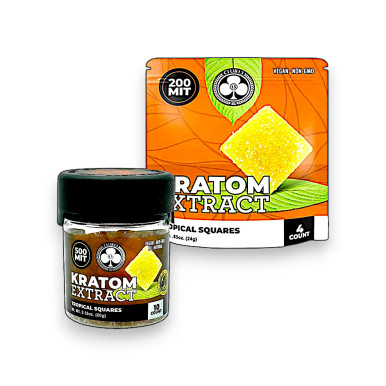
Club 13 Kratom Extract Gummies Tropical Squares
$10.89
Club 13 Kratom Extract Gummies Tropical Square Gummies Discover a tropical paradise for your taste buds with Club 13 Kratom Extract Gummies in Tropical Squares.… read more
Bottom Line
As this product category expands to support those who prefer a more holistic approach to wellness, science-backed information is vital when it comes to navigating kratom and it's complexity. At the same time, responsible sourcing, transparency, moderation, and realistic expectations remain essential.
For beginners, the smartest approach is usually educational rather than impulsive: understand the product category, review testing practices, respect variability, and avoid treating online anecdotes like universal truths.
Summary of What We Covered
Kratom comes from the Mitragyna speciosa tree native to Southeast Asia
Alkaloids like mitragynine influence its reported effects
Experiences may vary from energizing to relaxing
Powders, capsules, gummies, extracts, and shots all differ
Product transparency and testing matter significantly
U.S. legality varies at the state and local level
Kratom education should include safety awareness discussions
Moderation and informed purchasing are smart considerations
References
Basiliere, Stephen, et al. “Kratom Alkaloids: Interactions With Enzymes, Receptors, and Cellular Barriers.” Frontiers in Pharmacology, vol. 12, 2021, Frontiers Media SA, doi:10.3389/fphar.2021.751656.
https://www.frontiersin.org/journals/pharmacology/articles/10.3389/fphar.2021.751656/full
This highly cited peer-reviewed pharmacology review explaining kratom alkaloids, receptor activity, metabolism, and emerging safety discussions.“Kratom.” National Center for Complementary and Integrative Health, U.S. Department of Health and Human Services, 2024,
https://www.nccih.nih.gov/health/kratom
This reference shares research-focused overview of kratom’s effects, legality, safety considerations, and current scientific uncertainty.“Science & Research.” American Kratom Association,
https://www.americankratom.org/science
The American Kratom Association (AKA) aggregates contemporary kratom research, toxicology discussions, testing standards, and evolving regulatory information relevant to educated consumers.“Natural Herb Kratom May Have Therapeutic Effects And Relatively Low Potential For Abuse Or Harm, According To A User Survey.” Johns Hopkins Medicine, 4 Feb. 2020,
https://www.hopkinsmedicine.org/news/newsroom/news-releases/2020/02/natural-herb-kratom-may-have-therapeutic-effects-and-relatively-low-potential-for-abuse-or-harm-according-to-a-user-survey
This reference discusses observational user survey findings and public health perspectives in a nuanced way while still acknowledging limitations and potential risks.
Disclaimer
The products discussed here and any claims or suggestions made have not been evaluated by the Food and Drug Administration (FDA). This content is not intended to diagnose, treat, cure, or prevent any disease. The information on this website is provided for general informational purposes only and should not be relied on as the sole basis for making decisions – we encourage consulting primary, qualified, more complete, or professional sources. Any reliance on the material on this site is at your own risk. Information shared on this site may be updated at any time and may include information or data that are no longer current, accurate, or complete and is provided for your reference only. We are not obligated to update published content, and it is the reader’s responsibility to monitor any changes and to consult with primary, qualified, more complete, or professional sources. We make no guarantees regarding the completeness, accuracy, or reliability of the information provided, nor do we warrant that any products, services, or materials offered will meet individual expectations. Use of this site and its content is at your own discretion and risk.