Beginner's Guide to Kava: Origins, Effects, Uses & Safety
From traditional Pacific Island ceremonies to modern wellness routines, working with Kava starts with the basics. This root-based botanical has a long cultural history and a distinct role in relaxation-focused rituals that many newcomers find intriguing.
Table of Contents
- FAQs
- What Is Kava?
- The Science Behind Kavalactones
- What Is Kava Used For? Benefits and Common Uses
- Types of Kava Products: Which Form Is Right for You?
- What Does Kava Feel Like?
- Is Kava Addictive? Risks, Dependence, and Safety
- Is Kava Legal in the United States?
- Kava vs. Other Natural Alternative Supplements
- Buyer Tips to Keep In Mind
- Summary of What We Covered
- References
- Disclaimer
FAQs
Is kava safe for beginners?
Many beginners start with lower servings and reputable products. Product quality and personal tolerance matter.
How quickly does kava work?
Effects may vary by format, but drinks or shots are often felt sooner than capsules.
What is noble kava?
Noble kava generally refers to cultivars traditionally preferred for more balanced effects and safer long-term cultural use.
What Is Kava?
The Piper Methysticum Plant: Botanical Background
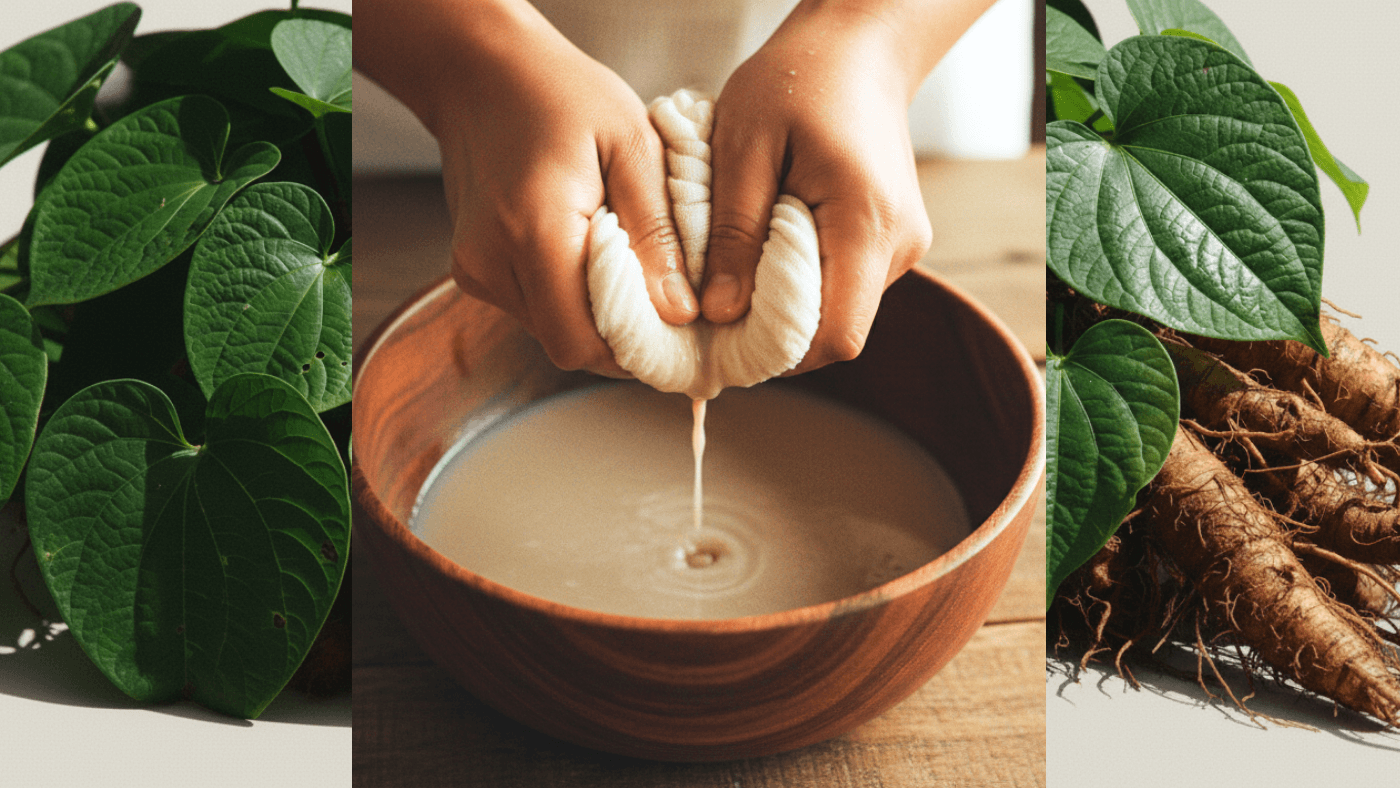
Piper methysticum belongs to the pepper family (Piperaceae). Native to islands such as Vanuatu, Fiji, Tonga, and Hawaii, this shrub typically grows in tropical climates with rich soil. Its thick root system is the prized portion, while the above-ground plant is less commonly used commercially.
History and Cultural Roots in the Pacific Islands
For centuries, kava has been central to ceremonial, spiritual, and social gatherings across Pacific Island societies. For many cultures, kava is more than a product—it is heritage.
Down to the Root: The Source of Its Active Compounds
The root and peeled basal stump contain the highest concentrations of kavalactones, which are the compounds most associated with the effects felt after consumption. Harvesting often occurs after several years of growth to support maturity and potency.
The Science Behind Kavalactones
Kavalactones are the primary bioactive compounds in the plant and are responsible for its characteristic effects. Research suggests these compounds interact with neurotransmitter systems including GABA pathways, which are involved in calming neural activity.³
What Are Kavalactones?
The six major kavalactones are kavain, dihydrokavain, methysticin, dihydromethysticin, yangonin, and desmethoxyyangonin. Their ratios may influence whether a product feels more calming, mentally clear, or heavy.
How Kavalactones Interact With the Brain and Body
Rather than functioning like alcohol, kavalactones appear to modulate brain signaling differently, with evidence suggesting GABAergic activity and possible dopamine-related interactions.³
Plain English version: they may influence how the nervous system processes calm without necessarily creating the same impairment profile associated with alcohol.
What Is Kava Used For? Benefits and Common Uses
Today, it's commonly used for:
Relaxation, self-care based rituals
Social alternatives to alcohol
Evening wind-down routines
Functional wellness experimentation
Natural Relaxation and Stress Relief Potential
Many consumers seek this natural alternative for calm-focused experiences. Some studies suggest kava may support occasional stress reduction, though effects may depend on dosage, extract type, and individual response.²
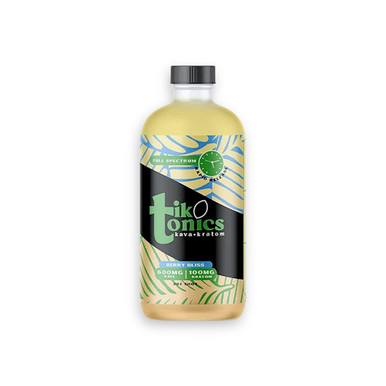
Tik Tonics Kratom Full Spectrum Kava + Kratom Berry Bliss Shot 2oz
$8.19
Tik Tonics Kratom Full Spectrum Kava + Kratom Berry Bliss Shot 2oz Tik Tonics Kratom Full Spectrum Kava + Kratom Berry Bliss Shot 2oz is… read more
Out of Stock
Sleep Support and Anxiety Reduction
Some users report that kava fits into nighttime routines due to its calming profile. However, product type, serving size, and personal tolerance all matter.
Social and Ceremonial Traditions
Kava bars and NA social spaces have helped modernize kava’s image, framing it as a social beverage that may support connection without traditional alcohol dynamics.
Emerging Wellness and Nootropic Uses
Some wellness communities position this botanical as an adaptogen-adjacent option for mood or focus rituals, though these uses are still evolving.
Types of Kava Products: Which Form Is Right for You?
Traditional kava preparation often emphasizes ritual, earthy flavor, and slower consumption.
Root Powder and How to Use It
Powder is often mixed with water and strained. It may suit users who value tradition and serving flexibility.
Supplements and Capsules
Capsules offer convenience and simpler dosing, especially for those who dislike it's famously earthy taste.
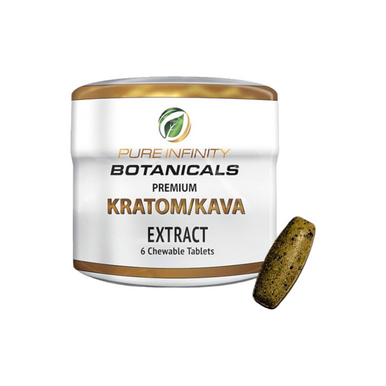
Pure Infinity Botanicals Kratom/Kava Extract 6 Tablets
$19.85
Pure Infinity Botanicals Kratom/Kava Extract 6 Tablets Pure Infinity Botanicals Kratom/Kava Extract 6 Tablets combine two popular botanical ingredients in a convenient tablet format designed… read more
Extract Shots: Fast and Convenient
Shots may appeal to on-the-go consumers seeking portability and faster preparation.
What Does Kava Feel Like?
Common sensations typically include:
Relaxation
Mild mouth numbing
Social ease
Physical calm
Is Kava Addictive? Risks, Dependence, and Safety
Current evidence suggests relatively low addiction potential compared to many controlled substances, though heavy frequent use may create issues. Liver concerns and dermopathy have also been discussed in scientific literature.¹³
Responsible Use Guidelines
Avoid combining with alcohol, prescription medication, or any other concentrated/strong herbal supplements
Start with lower servings
Prioritize noble sourcing
Review third-party testing
Is Kava Legal in the United States?
Kava is generally legal in the U.S. and sold as a dietary supplement, though regulatory approaches vary internationally.
Kava vs. Other Natural Alternative Supplements
Buyer Tips to Keep In Mind
Noble sourcing
Transparent kavalactone content
Third-party testing
Clear ingredient labels
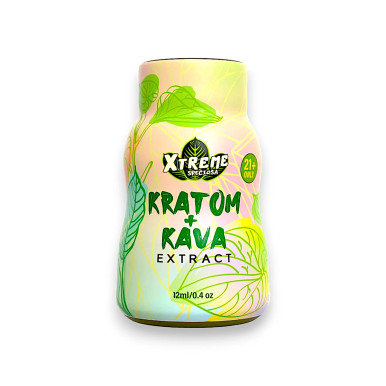
Xtreme Speciosa Kratom Extract Kratom + Kava 12ml
$11.79
Xtreme Speciosa Kratom Extract Kratom + Kava 12ml Xtreme Speciosa Kratom Extract Kratom + Kava 12ml is a premium, ready-to-use supplement that combines the powerful… read more
Summary of What We Covered
Kava comes from the root of Piper methysticum, a plant native to the South Pacific.
Its active compounds, kavalactones, influence the brain and body in ways associated with calm and relaxation.
Traditional kava has deep ceremonial roots in Pacific Island cultures.
Modern kava products include powders, capsules, tinctures, shots, and seltzers.
Product quality may vary widely, so sourcing and label transparency matter.
Kava is legal in the U.S. as a dietary supplement but global regulations differ.
Responsible use matters, especially regarding dosage and product selection.
References
¹ World Health Organization (WHO). Assessment of the risk of hepatotoxicity with kava products. 2007.
https://iris.who.int/items/8cf47e52-7820-4efc-b81d-c609cefb9f24
Purpose: Chosen for international regulatory credibility and global policy relevance regarding safety, legality, and responsible consumption.
² Pittler MH, Ernst E. Kava extract for treating anxiety. Cochrane Database of Systematic Reviews. 2003.
https://www.cochranelibrary.com/cdsr/doi/10.1002/14651858.CD003383/full
Purpose: One of the most cited reviews on kava’s anxiety-related research.
³ Sarris J, LaPorte E, Schweitzer I. Kava: a comprehensive review of efficacy, safety, and psychopharmacology. Australian & New Zealand Journal of Psychiatry. 2011.
https://journals.sagepub.com/doi/10.3109/00048674.2010.522554
Purpose: Selected for its broad, modern clinical perspective combining efficacy, neurobiology, and safety—useful for translating traditional use into contemporary wellness discussion.
Disclaimer
The products discussed here and any claims or suggestions made have not been evaluated by the Food and Drug Administration (FDA). This content is not intended to diagnose, treat, cure, or prevent any disease. The information on this website is provided for general informational purposes only and should not be relied on as the sole basis for making decisions – we encourage consulting primary, qualified, more complete, or professional sources. Any reliance on the material on this site is at your own risk. Information shared on this site may be updated at any time and may include information or data that are no longer current, accurate, or complete and is provided for your reference only. We are not obligated to update published content, and it is the reader’s responsibility to monitor any changes and to consult with primary, qualified, more complete, or professional sources. We make no guarantees regarding the completeness, accuracy, or reliability of the information provided, nor do we warrant that any products, services, or materials offered will meet individual expectations. Use of this site and its content is at your own discretion and risk.